1Fragmented tools
Positions lived in MT5, analysis in chat and risk in someone’s head — none matched up per trade.

AI · Finance
Multi-agent AI analysis behind hard risk gates and a four-tier rollout, connected to the MetaTrader 5 terminal SDK.
Not investment advice
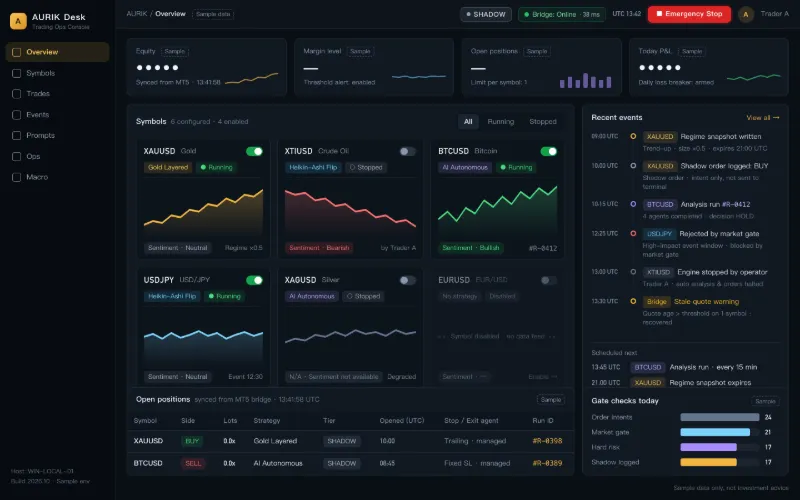
The client is a proprietary trading operator running precious metals, energy, crypto and FX CFDs through a broker’s MetaTrader 5 terminal. Watching markets, reading macro data, tuning prompts and deciding whether to trade at all were scattered across the terminal, chat windows and spreadsheets. They needed one workspace where AI could do the analysis, but every order stayed controlled and traceable.
1Fragmented tools
Positions lived in MT5, analysis in chat and risk in someone’s head — none matched up per trade.
2Ungated AI orders
A model could say “buy” with nothing enforcing size limits, loss streaks or market hours.
3Tangled logic
Entry patterns and macro judgment shared one prompt, so every edit rippled and nothing was testable.
4Manual rollout
Going from paper to live meant trading smaller by hand; tracing a trade meant digging through chats.
Let AI analyze, but keep order flow gated — what was missing was a control desk.
Shanku split the workspace into three tiers: a PC console, a business core and a bridge sitting next to the MT5 terminal. Rule-based strategies decide when to enter and exit, AI decides whether and how much to trade, and every order passes one hard risk gateway before a rollout tier decides whether it is logged, simulated or sent to the terminal.
Multi-agent analysis
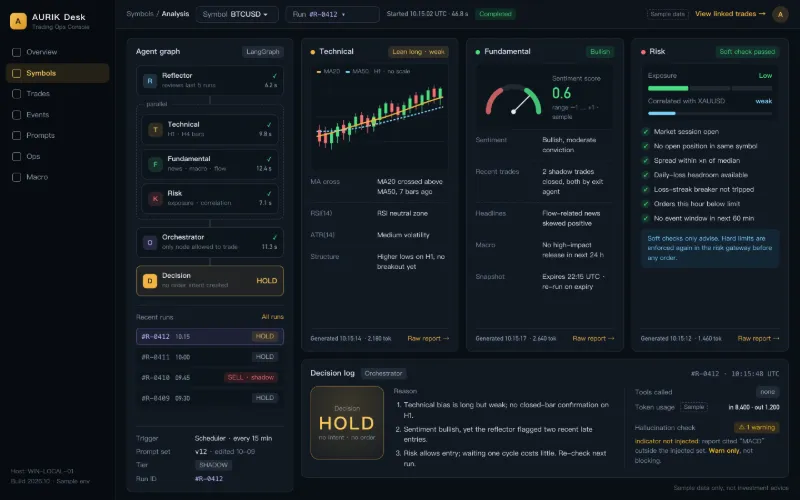
Reflection, technical, fundamental and risk agents report in; only the orchestrator can trade, and it must log its reasoning.
Hard risk gates
Lot caps, one position per symbol, concurrency, daily loss, loss streaks, rate and spread checks live in code, not prompts.
Four-tier rollout
Shadow logs only, paper fills simulated, micro trades minimum size, live uses full size; one account-wide tier, shadow by default.
Layered gold logic
AI writes a pre-session market regime snapshot, rules enter on closed-bar pullbacks, and a position agent manages stops and exits.
MT5 SDK bridge
A local Windows bridge is the only process touching the terminal; if it drops, the dashboard degrades instead of failing.
Prompts and keys in-app
Agent prompts are edited in the console and apply on the next run; API keys sit in a vault and show masked.
How an order intent gets cleared
Engine
Symbol enabled, engine running
Market
No weekends, rollovers or news
Intent
Rule signal or orchestrator call
Risk
Size, positions, loss, frequency
Tier
Log, simulate or route to MT5
Execute
Micro or live via the MT5 bridge
Audit
Events and trades share a run ID
Hard gates exist only in code and AI tools cannot reach the terminal directly; stopping an engine halts all automated analysis and orders for that symbol.
One write path
However many agents analyze, opens, modifications and closes all pass a single auditable gateway.
Reversible rollout
Shadow through live share one path, so integration and channel checks need no real capital first.
Traceable trades
Positions, fills and events link to an AI run ID, opening the exact analysis behind each one.
Testable rules
Entry patterns are plain rule functions and macro views are expiring snapshots, each verified on its own.
Screens are prototypes or rebuilt with sample data. They contain no real client data, amounts or accounts.
This case study demonstrates software development capability only and does not constitute investment advice. Screens are illustrative and contain no real amounts, positions or accounts.
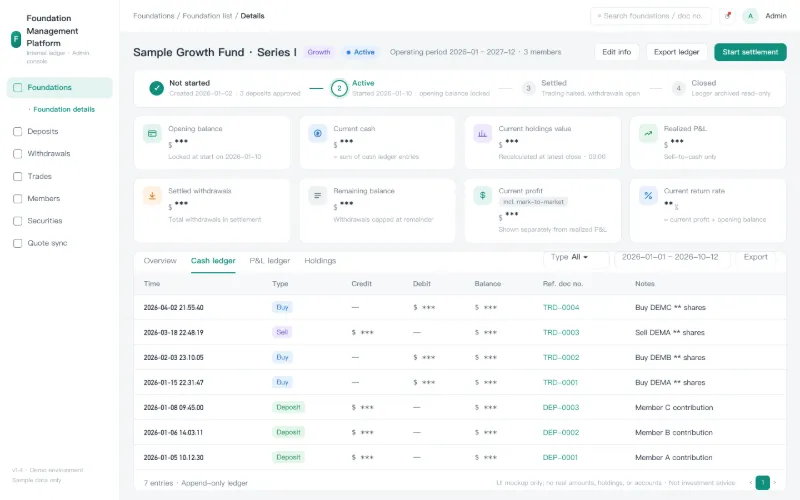
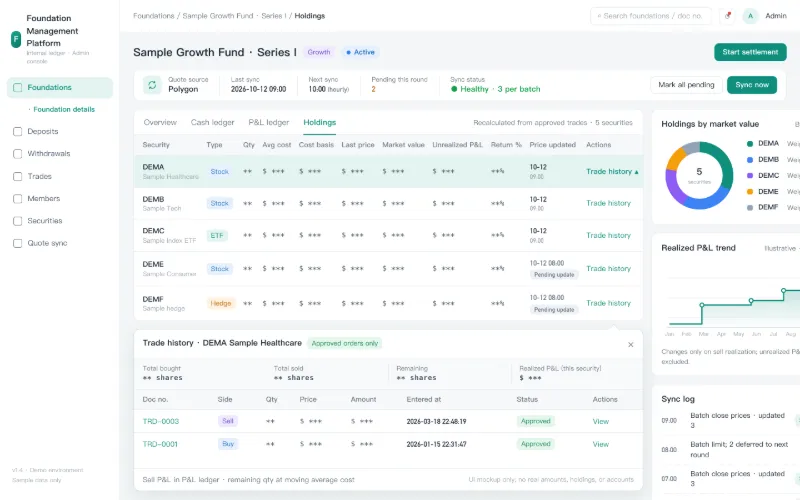
Reviewed bookkeeping, linked cash, position and return ledgers, a lifecycle state machine and automatic US market data sync.
Not investment advice
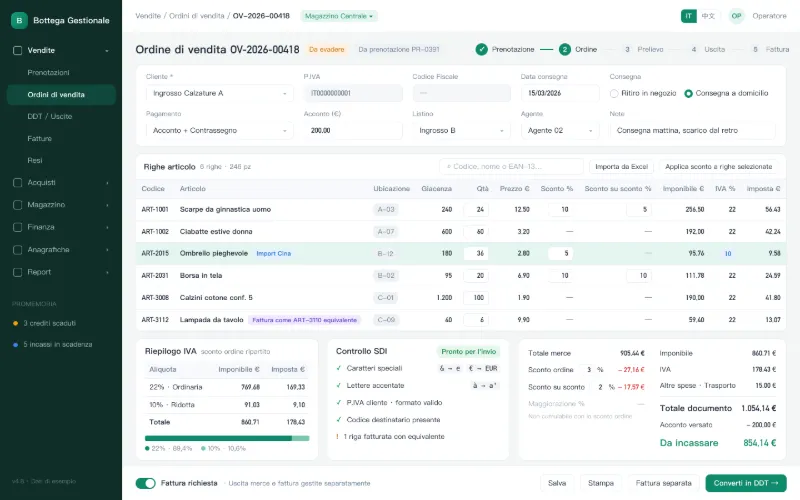
Chinese-owned supermarket group, Italy
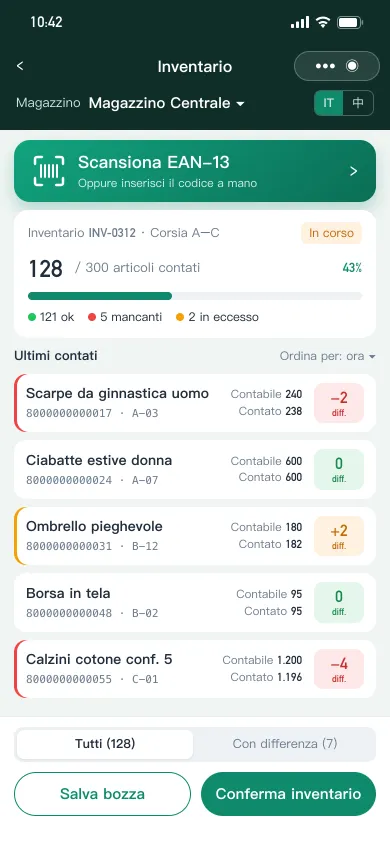
Italian VAT, e-invoicing compliance, stacked discounts, multiple languages and integrated POS, serving hundreds of wholesale buyers and thousands of retail stores.
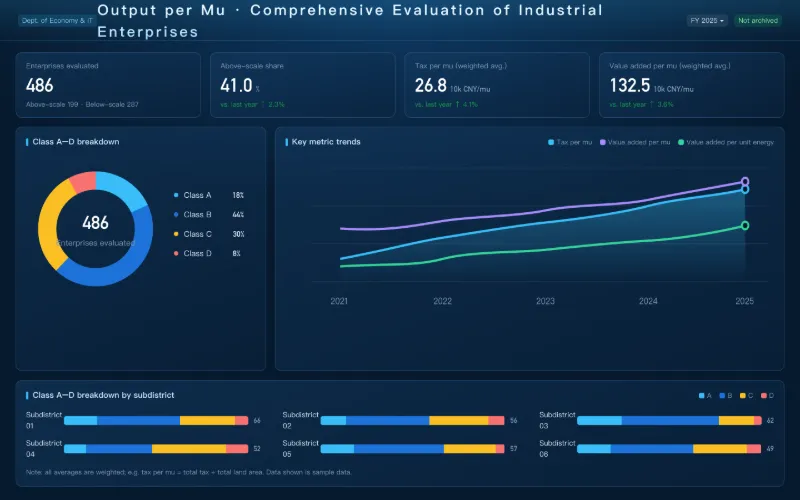
Wenzhou Municipal Bureau of Economy and Information Technology
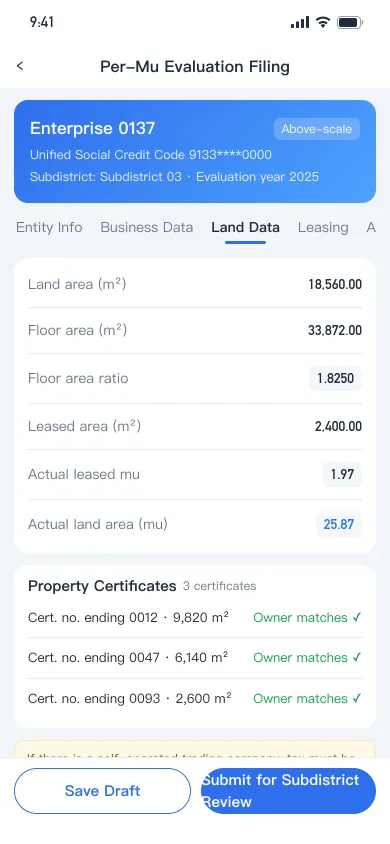
Grades hundreds of industrial firms on output per unit of land: roster import, online filing, six-department review and automatic A–D grading, fully audited.
See how we work together: from requirements and prototypes to launch and handover, every step is spelled out in advance.