1Desk-bound requests
The legacy system was desktop-only, so staff had to walk to a fixed PC to request supplies.

Healthcare
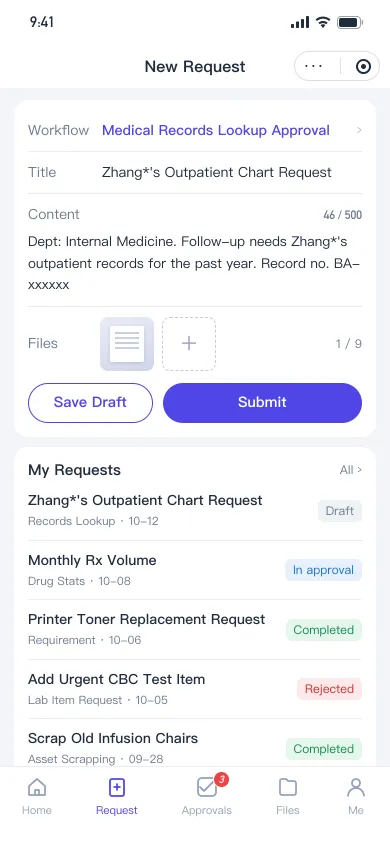
Scan-to-request on DingTalk with multi-level approval; HIS orders deduct department stock automatically while the legacy MSSQL system keeps running.
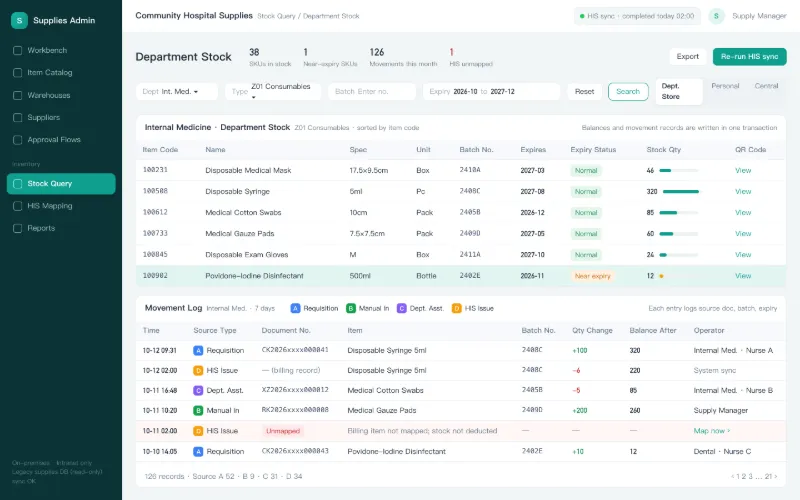
A community hospital with many departments and long approval chains handled requisitions, transfers and write-offs of medical consumables and equipment through a desktop-only legacy system and paper sign-offs. HIS billing was not linked to stock issues, so the central store had numbers while departments had none. The hospital needed a system staff could use inside DingTalk, running alongside HIS and the legacy MSSQL inventory database.
1Desk-bound requests
The legacy system was desktop-only, so staff had to walk to a fixed PC to request supplies.
2Opaque approvals
Paper or offline sign-offs had no visible status, and requests slipped through.
3Stock mismatch
The central store kept counts, departments kept none, and HIS billing never touched inventory.
4Duplicate records
Old and new systems kept separate item masters with different codes; lots and expiry were hard to trace.
Staff want mobile requests, logistics wants accurate stock, and the old system can’t simply be switched off.
Shanku built a three-part system — DingTalk mini program, PC admin and backend services — with DingTalk as the single entry point. MySQL runs the new business data while the legacy MSSQL database is synced read-only, so the hospital migrates gradually instead of in one cutover.
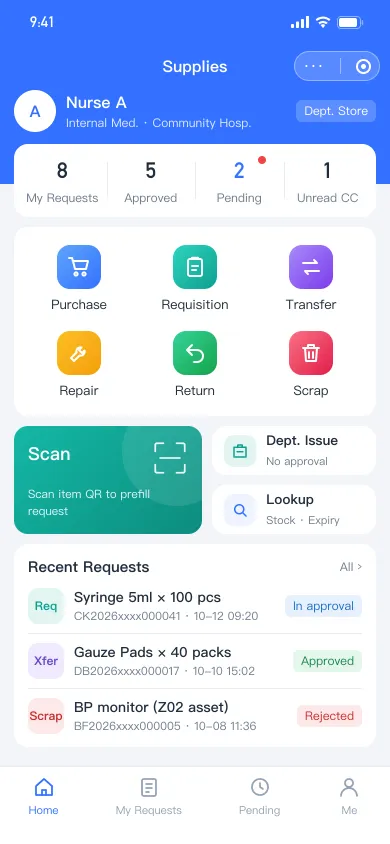
Scan-to-request
A six-tile home screen covers purchase, requisition, transfer, repair, return and write-off; scanning an item QR code pre-fills the form.
Per-department approvals
Multi-level approval steps are generated per department and form type; rejections return to draft, and DingTalk notifies approvers.
Two-tier inventory
The central store and department or personal stock are tracked separately, each movement logged with its source, lot and expiry.
HIS-driven deduction
Daily billing records arrive via SOAP; when item and doctor mappings exist, the department’s stock is reduced automatically, otherwise flagged.
Legacy MSSQL in parallel
Item masters sync one-way using legacy item codes as product IDs, with a QR code generated for every item.
Quick issue helper
Frequent, low-risk consumption is logged on mobile and deducted from department stock at once, with no approval chain.
Department requisition
Scan
Scan item QR, add quantity
Submit
Pick form type and asset class
Route
Chain built per department
Approve
Approve or reject level by level
Stock
Final approval adds dept stock
Notify
CC recipients, mark as read
Stock changes only after a form is confirmed, with line items and balances written in one transaction; form numbers combine type code, date and a 6-digit sequence.
Requests go mobile
Staff request and approve supplies inside DingTalk instead of queuing at a shared PC.
Billing matches usage
HIS orders deduct department stock automatically, cutting manual logging and mismatches.
Traceable movements
Every stock change is tagged as requisition, manual receipt, quick issue or HIS, with lot and expiry.
Smooth migration
The legacy MSSQL database stays read-only with matching codes, so work moves over step by step.
Screens are prototypes or rebuilt with sample data. They contain no real client data, amounts or accounts.
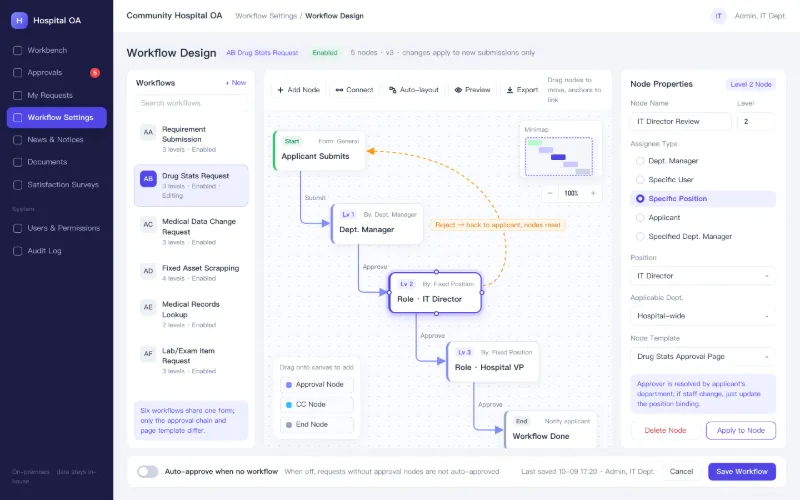
Six kinds of sensitive hospital requests in one place, drag-and-drop approval chains and approvals from a mini program.
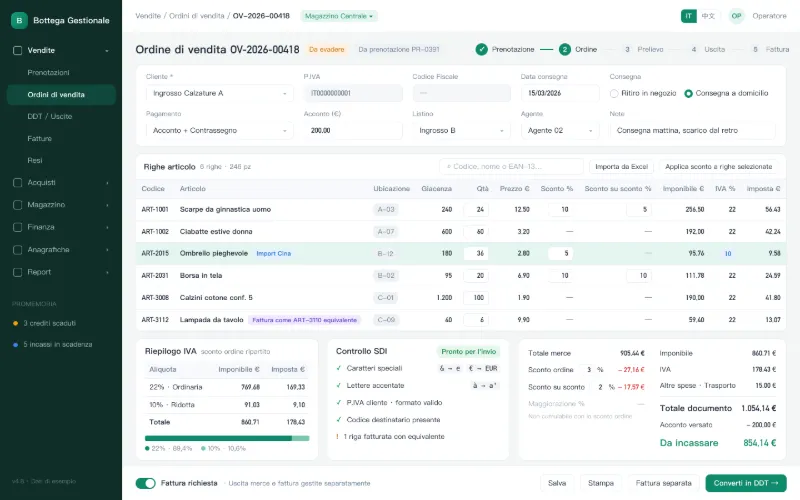
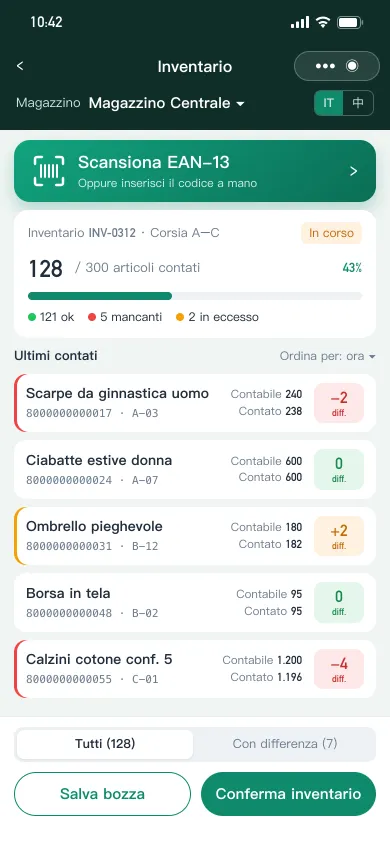
Chinese-owned supermarket group, Italy
Italian VAT, e-invoicing compliance, stacked discounts, multiple languages and integrated POS, serving hundreds of wholesale buyers and thousands of retail stores.
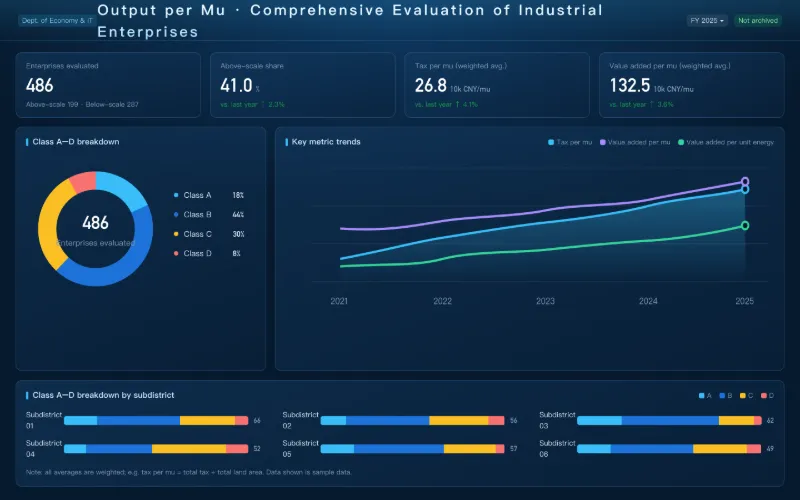
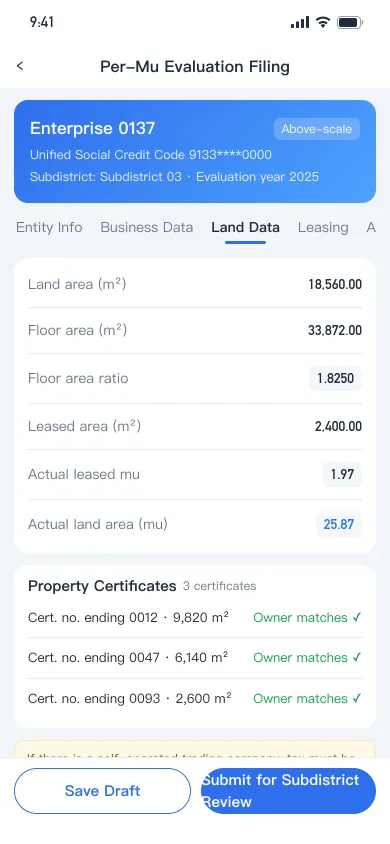
Wenzhou Municipal Bureau of Economy and Information Technology
Grades hundreds of industrial firms on output per unit of land: roster import, online filing, six-department review and automatic A–D grading, fully audited.
See how we work together: from requirements and prototypes to launch and handover, every step is spelled out in advance.